What Eastern Medicine is, and what it is not
Not folk remedy, not an alternative to your doctor, and not a practice stuck in the last century. Here is what it actually means for a patient.
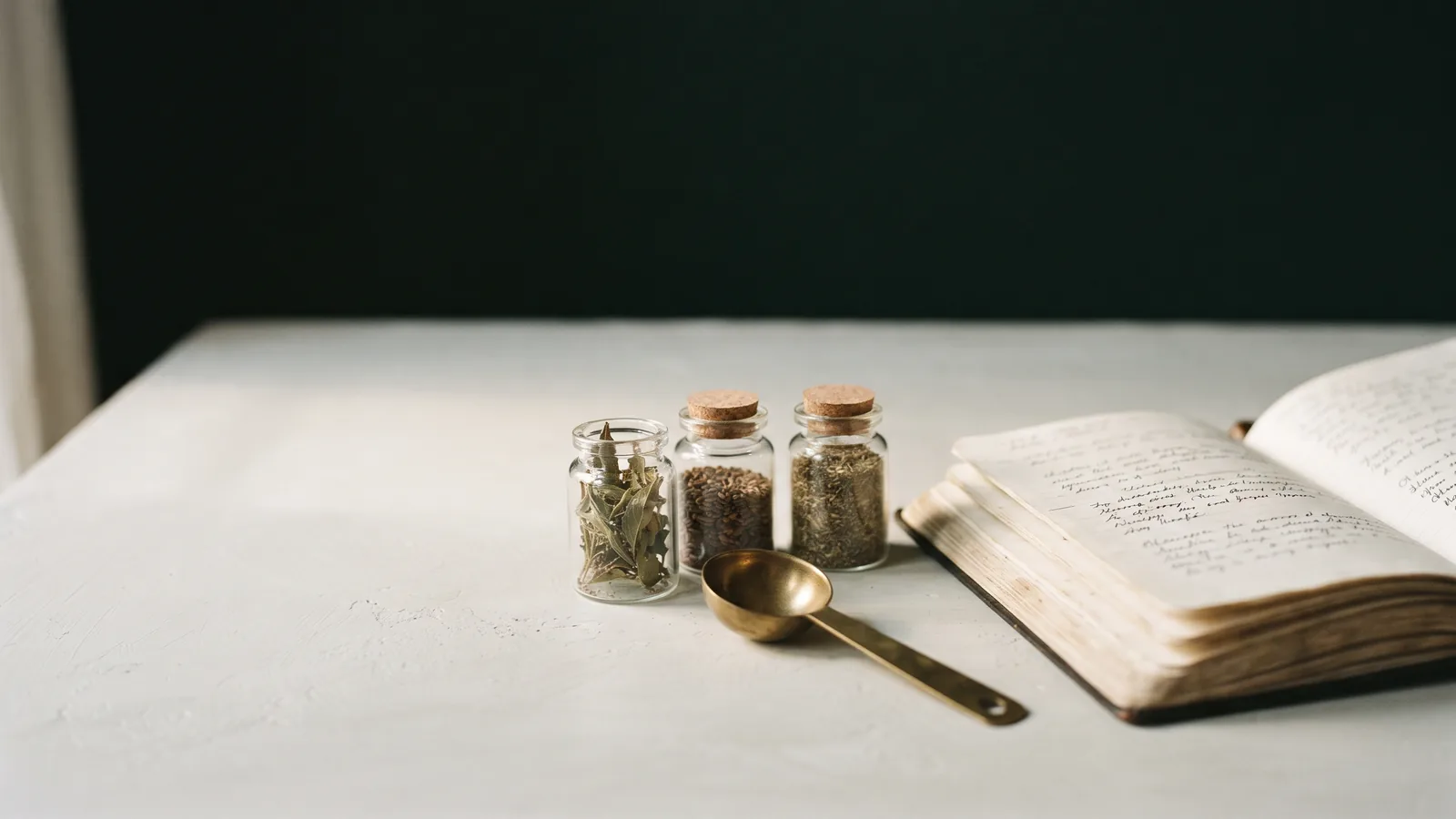
Most people arriving at an Eastern Medicine clinic for the first time are not sure what they are walking into. Some expect a hakeem's shop. Some have been told by a relative that it is all the same thing. Both are worth clearing up before you book, because what you expect shapes what you get out of the visit.
Natural treatment, read against modern measurements
The treatment is natural — plant-based formulations, food, and changes to how you live. What is not old-fashioned is how it is decided. The clinic works from HbA1c, lipid profiles, liver and kidney function, ultrasound and blood pressure, and it works from current thinking on insulin resistance, gut health and metabolic disease.
That combination is the whole point. A natural remedy chosen without a measurement is guesswork. A measurement without anything to change is a diagnosis nobody acts on. The consultation is built to do both: read the numbers properly, then work on the food, sleep, movement and stress that move them.
Dr. Baloch is explicit about this. His approach combines the principles of Eastern Medicine with contemporary concepts of metabolic health, gut health, nutrition and lifestyle management — helping patients understand their own health, identify the factors they can actually change, and build something they can sustain.
It is a regulated profession in Pakistan
This is the part most patients do not know. In Pakistan, Eastern Medicine is not unregulated. Practitioners qualify through recognised degree programmes and register with the National Council for Tibb, under the Ministry of National Health Services, Regulations and Coordination — the same ministry that oversees conventional medical practice.
Dr. Baloch holds a Ph.D. in Eastern Medicine and a B.E.M.S., and is registered with that council. He also served a year of house job at DHQ Hospital, Jhang, which is where the habit of reading a laboratory report properly comes from.
- Ph.D. in Eastern Medicine
- B.E.M.S. — Bachelor of Eastern Medicine & Surgery
- R.M.P. — Registered Medical Practitioner
- Registered with the National Council for Tibb
- One year of house job at DHQ Hospital, Jhang
The patient comes before the diagnosis
The founding idea is that health is a balance between the body's systems and the conditions it lives in — what a person eats, how they sleep, how they move, and the stress they carry — rather than a list of symptoms to be silenced one at a time. Read that sentence again and it is also, more or less, what metabolic medicine has spent the last twenty years arriving at.
In practice this is why the consultation is long, and why two people who arrive with the same complaint often leave with different plans. One is sleeping four hours and eating at midnight; the other is not. A system that treats the diagnosis rather than the person cannot see that difference, and cannot act on it.
What it is not
It is not a replacement for your physician, your insulin, or your blood pressure tablets. It is not an emergency service. It is not a promise that you will come off medication, and any practitioner who opens with that promise is telling you what you want to hear rather than what they know.
It is also not a shop selling whatever moved last week. Every formulation the clinic makes prints its composition, its dose and the people it does not suit — and it is given alongside what your physician has already prescribed, not instead of it.
If your symptoms are severe, sudden, or getting worse quickly — chest pain, breathlessness, confusion, a wound that will not heal — that is a hospital, not a clinic appointment. Eastern Medicine is for the long, slow problems that need someone to sit down with them.